 KenyaUpdates
 Meta Layoffs 2026: Why Mark Zuckerberg Is Cutting Jobs to Bet Big on AI
.jpg)
Meta, the parent company of Facebook, Instagram, and WhatsApp, is once again at the center of global tech conversations in 2026. Reports indicate that the company is planning to lay off up to 20% of its workforce, potentially affecting over 15,000 employees. While layoffs in tech are not new, the scale and reasoning behind Meta’s decision signal a major shift in the future of the digital economy.
Why Meta Is Laying Off Employees
The primary reason behind the layoffs is not financial distress, but strategic transformation. Meta is aggressively reallocating resources toward Artificial Intelligence (AI). The company is investing billions of dollars into building advanced AI systems, data centers, and infrastructure that can compete with global leaders in AI innovation.
This shift reflects a broader trend in the tech industry where companies are prioritizing automation, machine learning, and intelligent systems over traditional operational structures. By reducing its workforce, Meta aims to streamline operations and redirect funds into high-growth, future-focused technologies.
Shift from Metaverse to AI
In recent years, Meta heavily invested in the Metaverse—a virtual reality-driven digital universe. However, the expected adoption and profitability have not met projections. As a result, the company is now pivoting away from heavy Metaverse spending and focusing on AI as the next big frontier.
AI is now being integrated into all Meta platforms, including content recommendations, advertising optimization, customer engagement tools, and automation systems. This transition marks a significant change in the company’s long-term vision.
Market Reaction and Investor Confidence
Interestingly, the news of layoffs has been positively received by investors. Meta’s stock has shown upward movement following the reports, indicating confidence in the company’s new direction. Investors view the cost-cutting measures and AI investments as steps toward higher profitability and long-term sustainability.
Impact on the Tech Industry
Meta’s move is expected to influence other major tech companies. Industry analysts predict a ripple effect, where organizations across the globe may adopt similar strategies—cutting workforce sizes while increasing investments in AI and automation.
This trend highlights a growing reality: companies are evolving to become more efficient, relying less on large human teams and more on intelligent systems that can perform tasks faster and at scale.
What This Means for Professionals
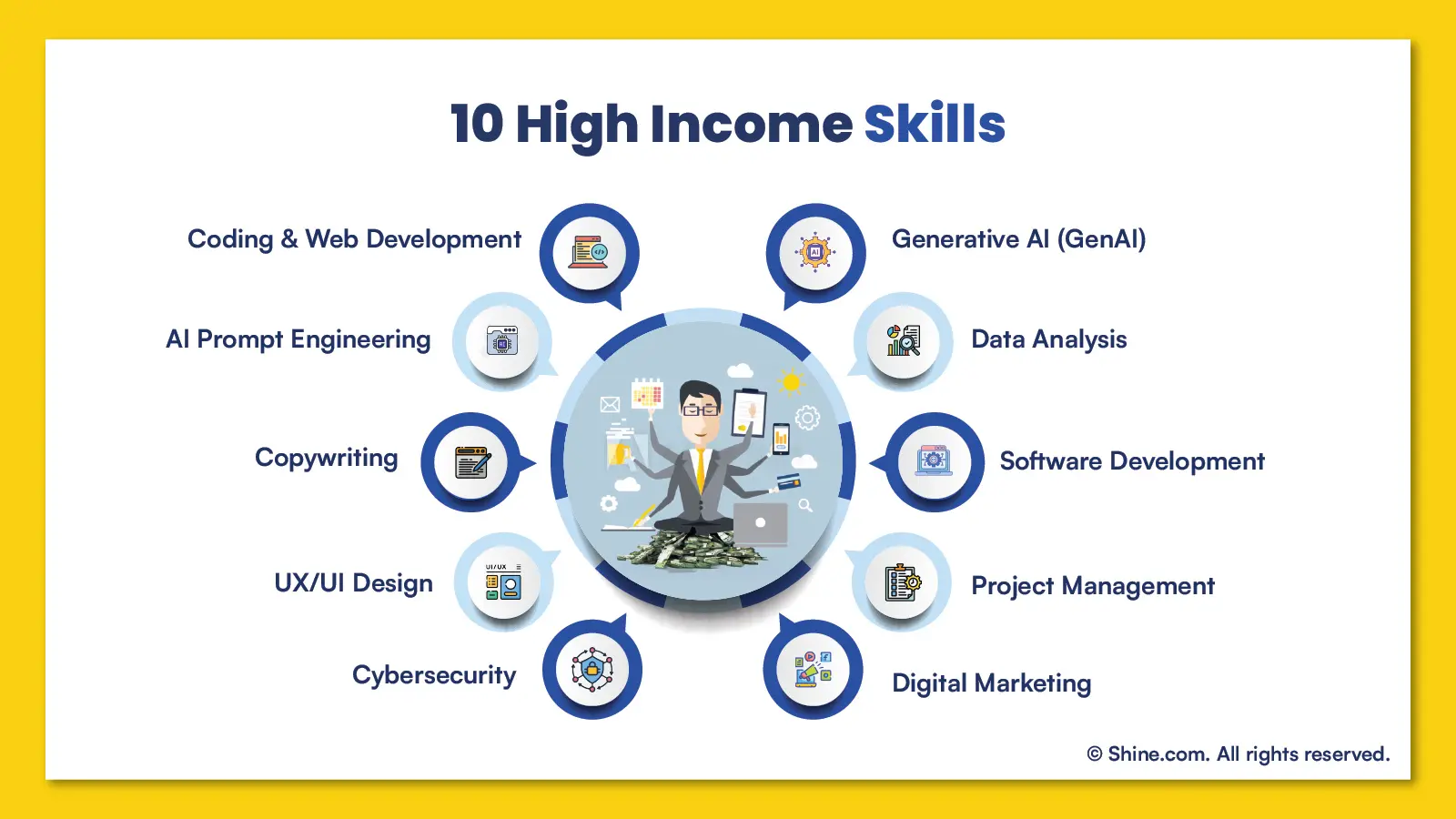
For professionals, especially those in the tech sector, this shift emphasizes the importance of adapting to new skills. Knowledge in AI, software development, data analysis, and digital systems is becoming increasingly valuable.
As companies transition toward AI-driven models, individuals who upskill and align themselves with emerging technologies will have a competitive advantage in the job market.
Conclusion
Meta’s layoffs are not just about reducing costs—they represent a fundamental transformation in how modern companies operate. The shift toward AI signals the beginning of a new era where technology, automation, and intelligence systems will dominate the future of work.
Understanding and adapting to this change is crucial for both businesses and individuals aiming to stay relevant in the evolving digital landscape
.jpg)